


There’s a unique magic that happens at your workbench. It’s in the focused glow of the torch, the satisfying click of a clasp, and the final polish that brings a piece to life. You pour your heart and soul into creating wearable art, and seeing someone fall in love with your work is a feeling like no other. But as orders pick up and your waitlist grows, a new challenge emerges: how do you grow your passion into a sustainable business without losing the very essence of what makes it special? Scaling an artisan jewelry brand isn’t about becoming a faceless factory. It’s about building smarter systems so your artistry can reach more people. This guide is your roadmap to amplifying your craft, helping you move from a talented maker to a thriving, scalable brand.
Supporting Small Jewelry Brands at Scale
I. Beyond the Bench: Solidifying Your Brand Identity
Before you can think about scaling production or marketing, you need to know exactly what you’re scaling. Many artisan jewelers excel at the craft but treat their brand as an afterthought. To truly grow, you must shift from selling individual pieces to building a cohesive brand experience. What is the story only you can tell? Is your inspiration drawn from ancient mythology, brutalist architecture, or the delicate botanicals in your garden? Your unique perspective is your most powerful asset. This story should inform everything from your logo and packaging to the captions you write on Instagram.
Define your ideal customer with sharp clarity. Are you creating for the minimalist professional, the bohemian festival-goer, or the lover of bold statement pieces? Knowing this helps you create a consistent collection, price your work appropriately, and speak directly to the people who will value it most. A strong brand identity acts as your foundation, ensuring that as you grow, your core message and aesthetic remain clear, compelling, and instantly recognizable.
II. Scaling Production Without Sacrificing Soul
The idea of “scaling production” can feel intimidating, conjuring images of assembly lines that betray the spirit of handmade quality. Let’s reframe it. For an artisan, scaling production is about creating efficiency in your process to free up more time for creativity. The first and most impactful step is batching your tasks. Instead of creating one pair of earrings from start to finish, dedicate blocks of time to specific steps. Spend a morning cutting and filing all the metal for ten pairs, an afternoon soldering, and the next day polishing and finishing. This workflow drastically reduces the time spent setting up and switching between tools.
Next, analyze your studio space. Is it optimized for flow? A well-organized bench where your most-used tools are within easy reach can shave hours off your workweek. Look at your material sourcing. Can you find a more reliable supplier or benefit from buying your most-used metals or gemstones in slightly larger quantities? Documenting the step-by-step process for your best-selling pieces not only ensures consistency but is the first step toward someday training an assistant. These small, strategic adjustments streamline your work without compromising an ounce of its handmade integrity.

III. From Workshop to Workflow: Scaling Your Production
The moment your order list outgrows your two hands is both exhilarating and terrifying. Scaling production is not about replacing your artistry with a factory line; it’s about making your artistry more efficient. The first logical step is often hiring your first assistant. This person should be more than just an extra pair of hands. Look for someone who understands and respects your craft, someone you can trust to handle specific, repeatable tasks like polishing, assembling, or packaging. This frees you up to focus on the more intricate design and creation work that defines your brand.
Next, analyze your process. Identify bottlenecks and introduce the concept of “batching.” Instead of making one pair of earrings from start to finish, spend a day cutting metal for twenty pairs, the next soldering components, and the next setting stones. This assembly line approach, even on a micro scale, dramatically increases output without sacrificing the handmade quality. Consider investing in better, more efficient tools. A higher quality flex shaft, a better soldering station, or precision forming tools can shave hours off your work week. The goal is to build a repeatable, trainable workflow that maintains your quality standards while allowing you to meet growing demand.
IV. Beyond the Craft Fair: Diversifying Your Sales Channels
Relying solely on a single sales platform like Etsy or local markets creates a fragile business. True scaling requires a multi-channel approach to reach new customers and create more stable revenue streams. The most important step is launching your own professional e-commerce website on a platform like Shopify. This becomes your brand’s digital flagship store, giving you complete control over your presentation, customer data, and profit margins. It is the central hub from which all other channels should ideally point back to. You can tell your full story, build an email list, and foster a direct relationship with your collectors.
Once your website is established, it’s time to explore wholesaling. This can be a major leap in volume. Start by identifying independent boutiques and lifestyle stores whose aesthetic aligns with your own. For example, a designer specializing in coastal-inspired silver pieces might find a perfect partner in a high-end resort boutique in a place like Phuket, where tourists are actively seeking unique, locally relevant crafts. Prepare a professional line sheet with high-quality photos and clear wholesale pricing. While the margins are lower, the volume and brand exposure from being in curated retail spaces can be transformative for your growth.
V. Building Your Digital Toolkit: Systems for Growth
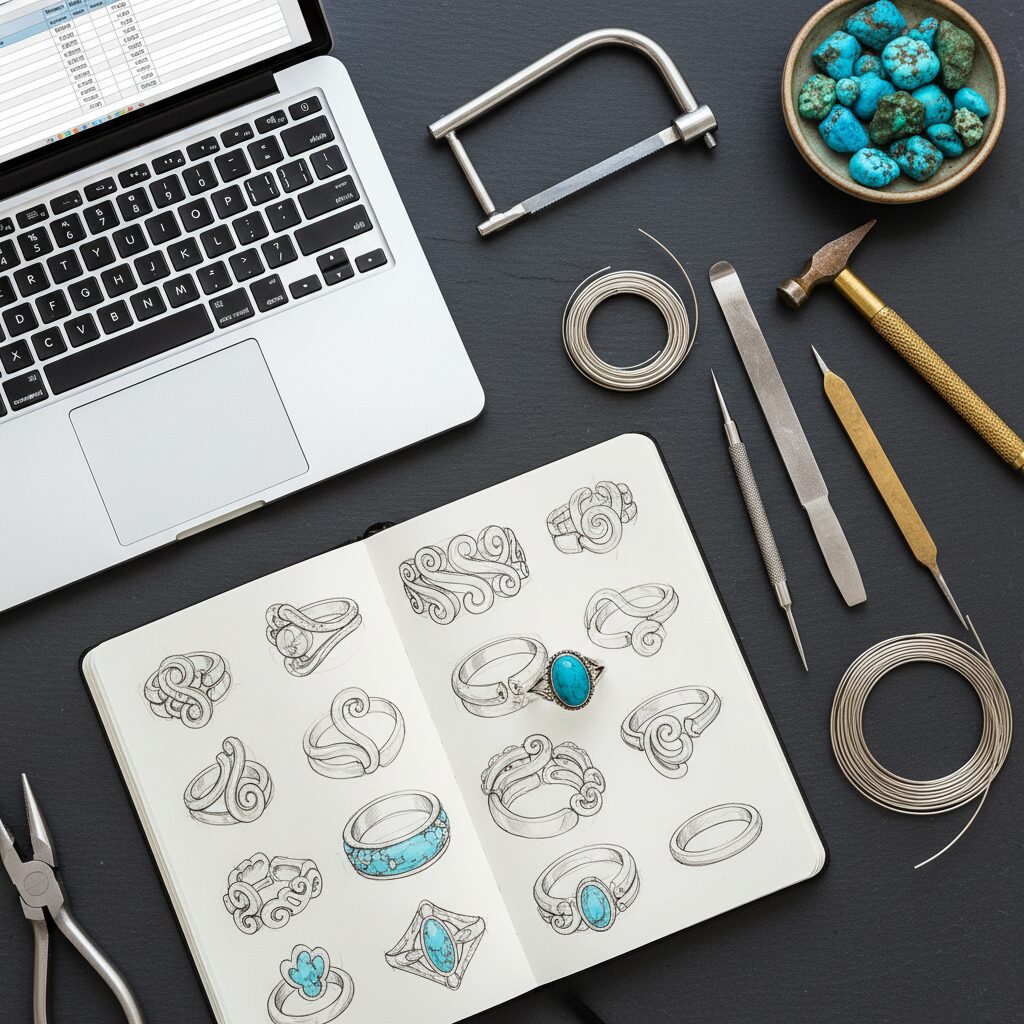
As your business grows, so does the complexity. The spreadsheets and notebooks that worked for a handful of orders will quickly become a source of chaos. Implementing the right digital systems is the essential backbone that supports your scale. The first and most critical tool is an inventory management system. This is non-negotiable. A good system will track not only your finished pieces across your website and wholesale accounts but also your raw materials, like gemstones, chain, and sheet metal. This prevents you from selling an item you can’t make and helps you order supplies proactively, avoiding costly production delays.
Next, focus on customer relationship management (CRM). This doesn’t have to be a complex enterprise software. It can start with a robust email marketing platform that allows you to segment customers, track their purchase history, and send targeted campaigns. Nurturing past customers into repeat buyers is far more cost-effective than constantly finding new ones.
Finally, streamline your marketing efforts with social media scheduling tools. Planning and scheduling your content in advance ensures a consistent online presence, which builds brand recognition and trust without requiring you to be glued to your phone every day. These systems are investments that buy you back your most valuable asset: time to create.
VI. Cultivating Long-Term Growth
Scaling is more than just increasing production and sales; it’s about building a resilient brand that can thrive for years to come. Once you have streamlined your processes and amplified your marketing, the final piece of the puzzle is cultivating a sustainable business ecosystem. This means shifting focus from short-term wins to long-term health.
True scale is built on a foundation of loyal patrons. Nurture your customer relationships through exceptional service, personalized follow-ups, and an engaging email newsletter. These brand advocates will become your most powerful marketing tool, sharing their positive experiences through word-of-mouth. As your orders increase, so does the complexity of your finances. Implement simple but effective financial tracking to understand your profit margins and plan for future investments, whether that’s new equipment or a dedicated studio space.
Finally, look for opportunities to collaborate with complementary brands, boutiques, or influencers. These strategic partnerships can introduce your work to new, aligned audiences, creating powerful growth loops that honor your artisan roots.
Conclusion
Scaling your artisan jewelry business is a journey, not a sprint. It’s about weaving your unique story and meticulous craftsmanship into a solid business framework, allowing your brand to grow without sacrificing the heart and soul of your craft. It requires a delicate balance of creativity and strategy, of passion and process. Each intentional step you take, from optimizing your production to nurturing customer loyalty, builds a more resilient and radiant brand. Your artistry deserves a wider audience, and with thoughtful planning, you can achieve sustainable growth that allows your work to shine even brighter in the years to come.
Ready to forge a brilliant future for your jewelry brand? We’re here to help.
Share this post







Responses (0)